For much of modern medical history, women’s health has been shaped by research models that treated male physiology as the default. As a result, important differences in how diseases affect women have often been overlooked, leaving persistent gaps in diagnosis, treatment and prevention.
In recent years, the emergence of FemTech has begun to address some of these long-standing gaps. What started as a niche market focused on fertility and menstrual health has rapidly expanded into a broader innovation space that includes digital diagnostics, wearable health technologies, chronic disease management tools and data-driven healthcare solutions designed with sex-specific insights in mind for addressing long-standing gaps in women's health research and care.
At the same time, new technologies bring new responsibilities. As AI becomes increasingly integrated into healthcare systems, ensuring that algorithms are trained on inclusive and representative datasets is essential. Without careful oversight, digital health technologies risk reproducing the same biases that have historically shaped medical research.
However, structural challenges remain. Women-led startups continue to receive only a small share of venture capital investment in Europe, highlighting the need for stronger support mechanisms that enable innovation to scale.
Closing the women’s health gap will therefore require more than technological progress alone. It will depend on sustained investment in inclusive research, responsible data governance and innovation ecosystems that empower women to shape the future of healthcare.
Episode Objectives
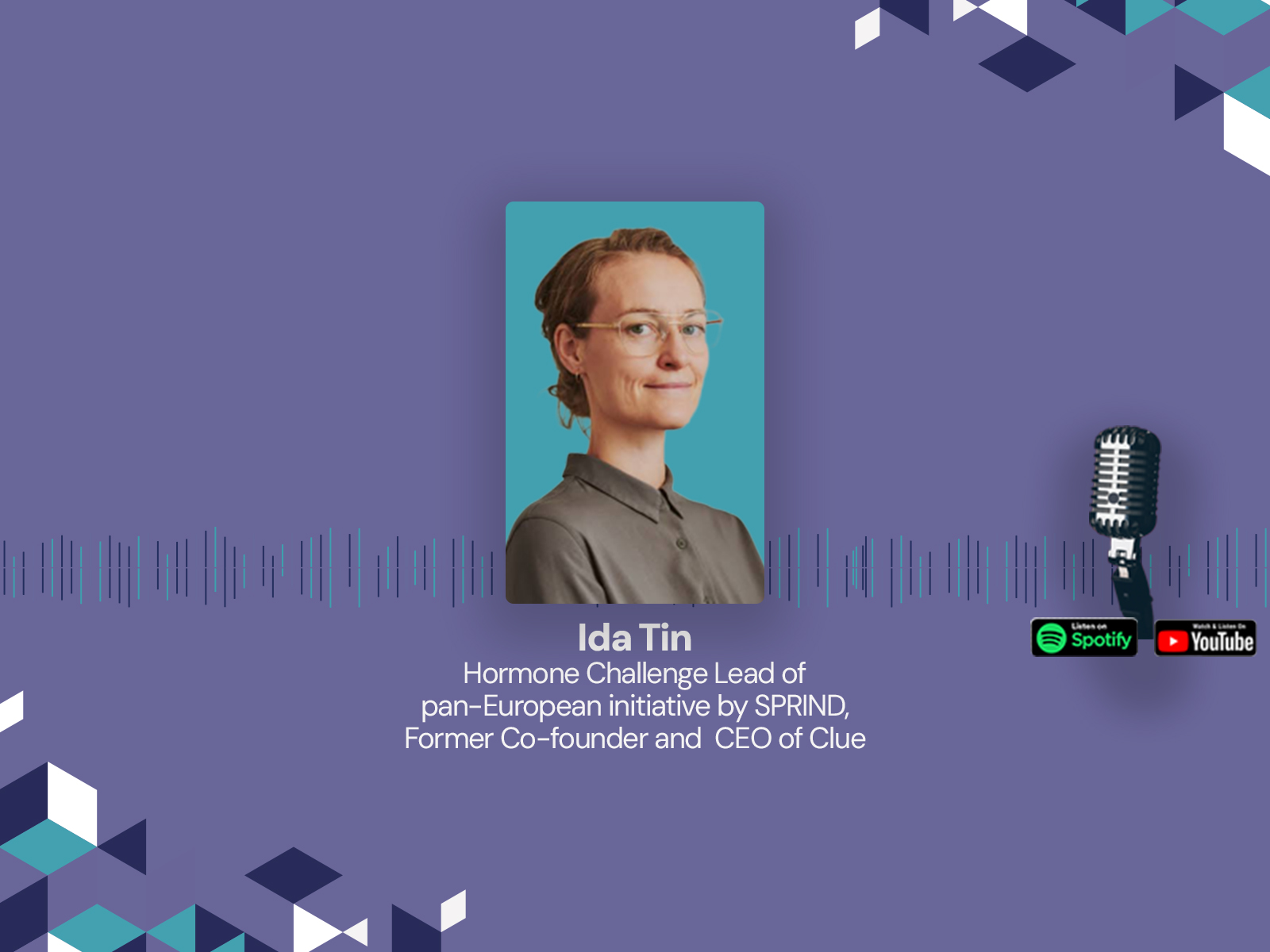
Join us in this episode as we speak with Ida Tin, Hormone Challenge Lead of a pan-European initiative by SPRIND and former co-founder and CEO of Clue. Drawing on her extensive experience in FemTech and digital health, Ida explores how inclusive innovation can help transform women’s healthcare and contribute to a more equitable future.