For centuries, women’s health has been under-researched, underfunded, and underserved. In modern times, clinical trials historically focused on male physiology, leaving critical knowledge gaps in how diseases are understood, diagnosed and treated in women.
These disparities extend well beyond reproductive health. For instance, in the European Union, cardiovascular disease accounts for approximately 37% of deaths among women, compared to 31% among men. Women often present different heart attack symptoms than men, such as fatigue, nausea, or shortness of breath rather than acute chest pain, contributing to delayed diagnosis and poorer outcomes.
Closing this gap is not only a healthcare challenge, but also a research and innovation challenge.
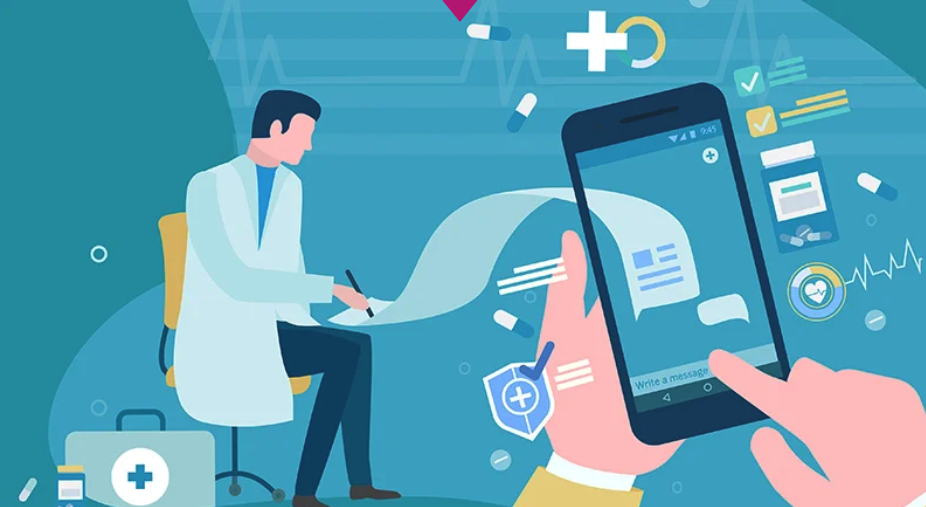
Coined in 2016, the term FemTech initially referred to digital tools focused on fertility and menstrual health. Today, it represents an expanding innovation ecosystem across diagnostics, chronic disease management, mental health, wearable monitoring, telehealth, and data-driven research infrastructures.
This expansion reflects a shift from consumer-oriented applications toward sex-informed precision healthcare models that integrate biological differences into research design, algorithm development, and clinical pathways, helping to address long-standing data gaps in women’s health.
However, technological advancement alone does not ensure equity. As emphasised in Lancet Global Health, the integration of AI into health systems presents both an opportunity and risk for women and girls. Without gender-sensitive safeguards, accountability and equitable data governance, AI may reproduce structural inequalities rather than reduce them.
Europe is well positioned to shape the next phase of FemTech development, supported by research institutions, coordinated regulate frameworks and targeted innovation policies. Initiatives such as Women TechEU, funded under Horizon Europe’s European Innovation Ecosystems, offer €75,000 non-dilutive grants alongside mentoring and scaling support to early-stage women-led deep-tech startups. Participation across more than 40 European countries highlights both the depth of innovation capacity and the scale of unmet demand.
However, structural barriers persist. In Europe, female-led startups receive approximately 2% of total venture capital funding, reflecting a persistent gender gap in access to grow capital. Beyond financing, fragmented health data infrastructure and uneven innovation ecosystems across EU Member States continue to limit clinical validation and cross-border scaling remains uneven.
To fully capitalise on its strategic position in Fem Tech, Europe must strengthen targeted investment in women-led innovation, while accelerating efforts to harmonise data governance, improve cross-border research infrastructure and ensure responsible AI deployment in healthcare. These measures are essential to correct long-standing gaps in sex-specific data, improve diagnostic accuracy for women and preventing algorithmic system from reinforcing biases in medical research and care delivery.
Technology is an enabler — but talent determines impact.
Advancing women’s health innovation requires interdisciplinary expertise: data scientists structuring datasets, engineers developing diagnostic tools, clinicians validating solutions, regulatory specialists ensuring compliance, and investors deciding which innovations to scale. Increasing women’s participation and leadership in these domains shapes how research priorities are defined, how datasets are constructed, how health challenges are framed, and which innovation receive funding and research the market.
Who designs algorithms and defines research variables directly shapes health outcomes. As global health experts caution, AI’s effectiveness in women’s health depends on whether equity is embedded from the outset. Without deliberate inclusion in research design, data composition and governance oversight, emerging technologies risk reproducing systemic biases already present in medical research.
Closing the women’s health gap therefore requires sustained investment in inclusive skills pipelines and expanded pathways for women's participation in STEM and leadership. At the same time, structural safeguards, including sex-disaggregated research standards, bias auditing in AI systems, and funding frameworks that prioritise women's health needs, must be integrated into innovation ecosystems to ensure equitable outcomes.
Women’s health innovation demonstrates what becomes possible when technological capability aligns with long-overlooked needs. But systemic change requires coordinated efforts.
Achieving lasting progress demands on inclusive and sex-informed research, equitable access to funding, transparent and accountable AI systems, bias auditing, robust data governance, cross-sector collaboration, and policy frameworks that enable responsible innovation.
➡️ Initiatives such as the FemTech World Awards 2026 help accelerate progress by recognising pioneering solutions and leaders advancing women’s health innovation. Submit your brightest idea by March 14 2026 and help shape a more inclusive and competitive future for healthcare.
➡️ Sustainable impact also requires empowering the next generation of innovators. The BRIGHTskills “Future Female Founders” course, led by University for Continues Education Krems, equips women entrepreneurs with the strategic, innovation and leadership competencies needed to transform ideas into scalable ventures across emerging sectors, including health innovation. Registration closes on 15 April 2026.
The time to act is now.
UNICEF Office of Innovation. (2025). What you should know about FemTech and why. https://www.unicef.org/innovation/stories/what-you-should-know-about-fem-tech-and-why
IE Driving Innovation. (2025). What is FemTech? The industry reshaping women’s health. https://drivinginnovation.ie.edu/what-is-femtech-the-industry-reshaping-womens-health/
Vestbee. (2024). FemTech market overview. https://www.vestbee.com/insights/articles/femtech-market-overview
McKinsey & Company. (2022). The dawn of the FemTech revolution. https://www.mckinsey.com/industries/healthcare/our-insights/the-dawn-of-the-femtech-revolution
UNESCO. (2024). Changing the equation: Securing STEM futures for women. UNESCO Digital Library. https://unesdoc.unesco.org/ark:/48223/pf0000391384
World Economic Forum. (2025). Blueprint to close the women’s health gap. https://www.weforum.org/publications/blueprint-to-close-the-women-s-health-gap-how-to-improve-lives-and-economies-for-all/
World Economic Forum. (2025). 5 actions to boost women's health and the global economy. 5 actions to boost women's health and the global economy | World Economic Forum