Reflecting dialogue in the Health Industry LSP, where companies have already been conducting skill gaps analysis, a core objective of the BRIGHTskills project is to provide training courses and materials for workers that educators, and employers need to help individuals succeed at work.
According to UNESCO, nearly 40% of current skillsets no longer align with job market needs. While debates continue about whether the impact of skill gaps is real, at a macro level major skills gaps for key roles are needed to support health care companies’ strategic objectives and their sustainability and competitiveness.
Labour market demands are rapidly shifting as regulation, technology and health needs evolve and the path to a green transition is better defined.
In BRIGHTskills work is already underway developing training courses addressing employers’ urgent skills needs, so workers have the clarify and confidence to thrive in their current and future workplaces.
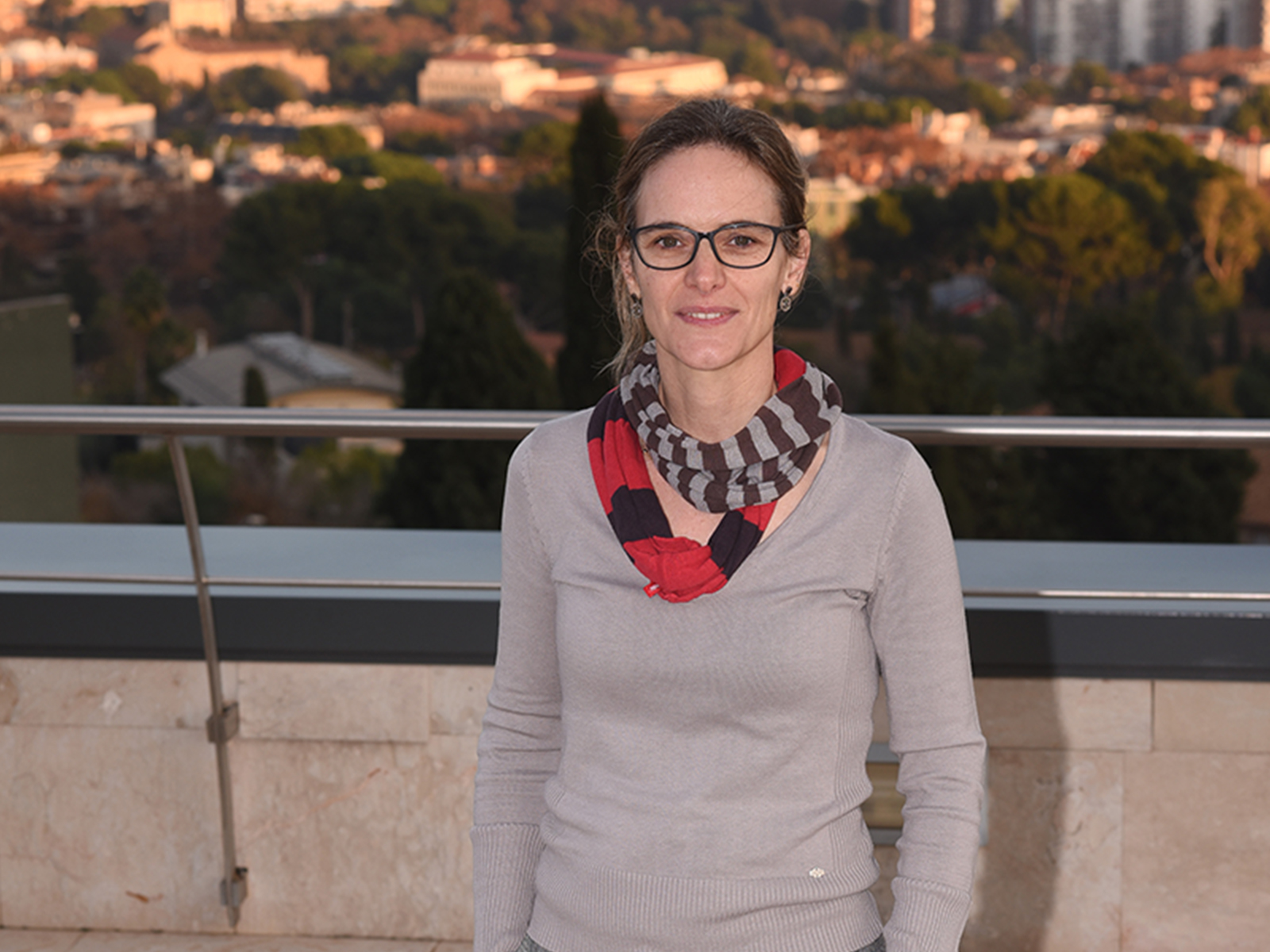
Below, read the first of two interview articles with Work Stream Leader, Professor Montserrat Codina, IESE Business School, University of Navarra, Barcelona. Discover how Prof. Condina’s research and expertise is shaping the design and Development of the BRIGHTskills training courses.
One of the biggest workforce challenges in the health care sector is keeping pace with digital transformation while navigating strict and constantly evolving regulatory frameworks. Teams are asked to develop and adopt advanced technologies—especially AI—but often lack the time or expertise to interpret new regulatory requirements as they emerge. This creates uncertainty and slows down innovation. A second challenge is limited collaboration across the health ecosystem. When providers, regulators, and industry and other key stakeholders don’t move together, organisations face late compliance surprises and delays that prevent useful solutions from reaching patients.
These issues matter because slow or uneven digital adoption directly affects population health by limiting improvements in care quality, efficiency, and access. To move forward, we need stronger digital and regulatory skills across the workforce, better cross-stakeholder collaboration, and clearer regulatory pathways so innovation can be adopted safely and effectively.
Skill gaps are the difference between the skills workers have and the skills they need. In BRIGHTskills, the first skills needs were identified prior, to project kick-off, through the Large-Scale Partnership for the European Health Industry, where many members were already exploring workforce gaps in their own sectors.
What’s different with BRIGHTskills research is that we’re now conducting this needs assessment simultaneously across the entire EU, using a coordinated methodology that brings together insights from industry, academia, and health systems. This gives us a much more comprehensive and comparable picture of what the workforce truly needs, and it ensures that the trainings are grounded in evidence gathered from a wide range of countries and stakeholders.
The research is still ongoing, but our preliminary findings point to several urgent skill gaps across the BRIGHTskills industries. Health care is on the cusp of a major shift as AI moves from isolated pilots into everyday practice. That means the workforce will need not only the technical ability to develop and validate AI models, but also the judgment to apply them safely in real clinical settings.
As health industries not only develop devices, but are responsible for their adoption in clinical setting, workers need to be aware about the challenges and steps from development to market access. Having a good product certified and fully compliant with the regulation does not ensure that it will be adopted in real clinical settings. A huge adoption gap exists that only a few companies manage to overcome. This is a key skills need for the healthcare industry whether the company is a large corporate or start-up. We’re also seeing gaps in strategic thinkers who can bridge technical and medical insight, as well as in global perspective and the ability to navigate complex organisations. Across pharma, MedTech, AI and digital health, collaboration, adaptability, and stakeholder-management skills consistently come up as areas of weakness. These early insights suggest that hybrid talent—people who can connect technology, medicine, regulation, and diverse stakeholders—will be increasingly critical.
The BRIGHTskills training programs are being developed in two waves. The first set is already underway and will launch mid-2026. The second wave will be tailored to the specific skill gaps emerging from the BRIGHTskills field research we’re currently conducting in work package two.
The courses we’re most involved in is Navigating the Healthcare System, which helps participants understand the key elements, processes, and stakeholders in different health systems, assess where their product or service can have real impact, and analyse system challenges that might affect implementation.
We’re also developing AI Regulation in Practice, which supports professionals in applying complex AI rules safely and confidently, and Healthcare Innovation Ecosystem Alignment, a course focused on aligning the many stakeholders affected by new health innovations—from patients and clinicians to payers and regulators. Together, these courses aim to prepare the workforce for a rapidly evolving health landscape.
We’ve taken a fully co-creative approach to designing these programs. All partners came together in a co-creation workshop in June 2025, where we defined the initial course concepts collaboratively. Since then, we’ve been co-designing the programs by combining the expertise of the different BRIGHTskills partners and bringing in key subject-matter experts for more technical topics.
The goal is to make the programs accessible, flexible, and directly relevant to workforce needs so uptake is feasible – the training programs are intentionally designed around the realities and constraints that both workers and employers face - things like time constraints, workload pressures, and the need for flexible learning.
That’s why the courses are completely free of charge and open access during the duration of the BRIGHTskills project, which removes a major financial barrier to participation. We’ve also made the courses modular, and most will be delivered online in live and recorded formats. This will allow professionals to learn at their own pace and fit the content around demanding schedules and focus on the specific skills they need without committing to long, inflexible programs. This approach ensures that the content is not only high quality, but also accessible and realistic for today’s health industry workforce.
From what we’re seeing, education for working professionals is moving toward shorter, more targeted trainings and blended formats that may combine the flexibility of online learning with the value of occasional in-person interaction. There’s also a clear shift toward personalised learning paths, where individuals pick and combine modules to create their own track based on their specific needs. This trend directly shapes the next phase of BRIGHTskills, when the second round of training courses will become available in 2027.
My main message to employers and industry professionals is to embrace a lifelong learning mindset. The health-care landscape is changing faster than ever and organisations and individuals who will thrive are those who stay curious, keep updating their skills, and see learning as an ongoing part of their work, not an occasional activity. Investing in continuous development isn’t just beneficial; it’s essential for staying relevant and delivering high-quality, safe innovation in such a dynamic environment.