A key objective of Work Package Two is to identify the skills needs required by workers, companies and workforces in Europe’s industrial health ecosystem. Complementing the ongoing pan-European survey a large-scale scoping exercise is underway. This exercise relies on data from existing publications to identify in demand job roles to support the development and successful roll-out of the BRIGHTskills training modules and programmes.
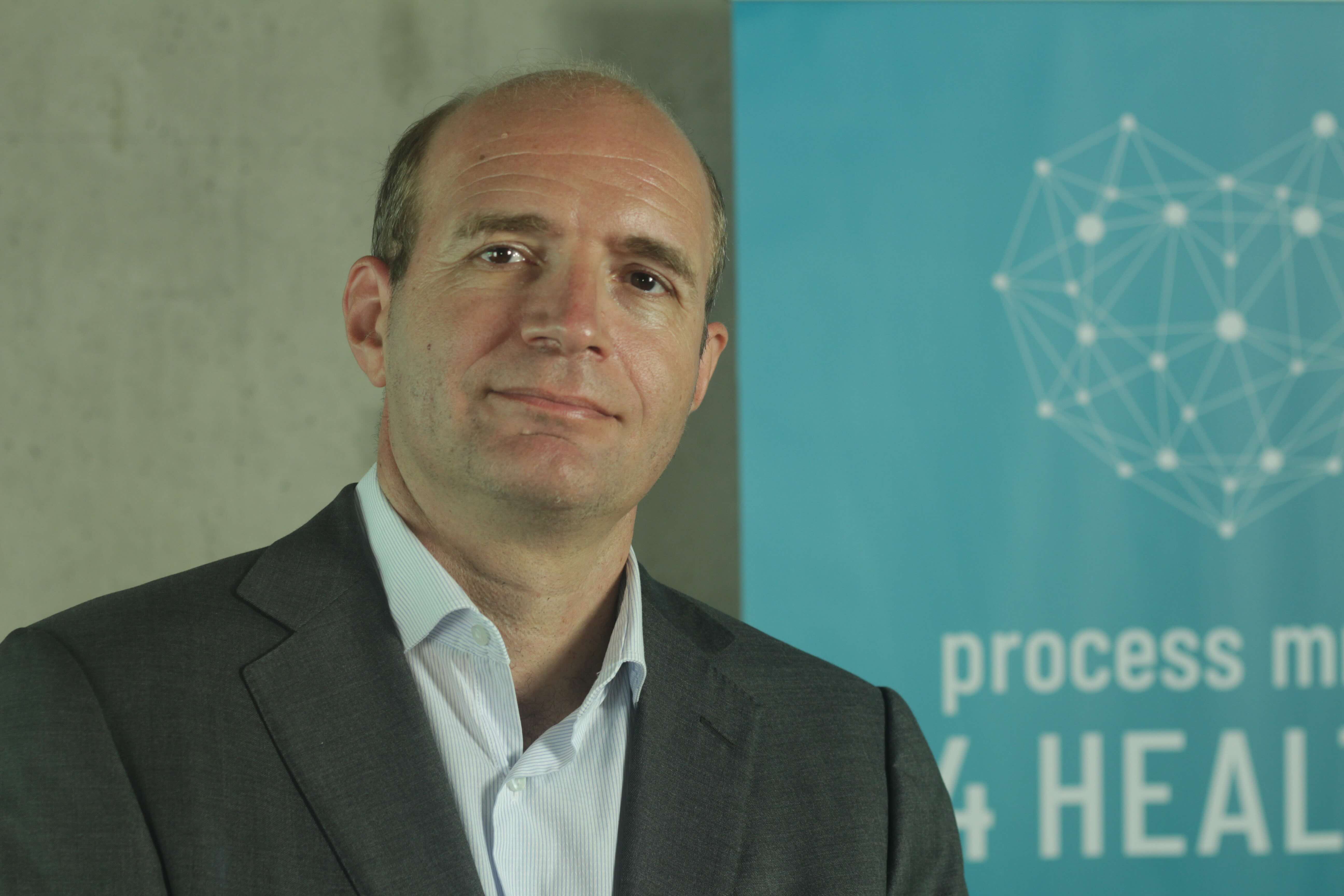
Learn more about this mapping exercise from our Task Leader, Prof Vicente Traver Salcedo, Universitat Politècnica de València below.
This scoping study gives the sector an early, high-level view of which skills are becoming essential and where the biggest workforce gaps lie. By reviewing more than 61 analyses and reports from across the health industry, the study connects insights that are usually addressed separately: digital and AI skills, leadership and management, regulatory knowledge, quality and safety, sustainability, and training approaches.
What makes this work important is its broad and integrated perspective. Instead of looking at a single area or profession, the study brings together evidence from pharma and biomanufacturing, MedTech, digital health and medical supplies. This helps BRIGHTskills build a shared and realistic picture of companies’ workforce needs that can guide training design and policy action to ensure a workforce educated to address companies’ challenges.
The study offers practical guidance for all groups working to strengthen the health industry workforce:
Overall, the study turns complex evidence into actionable insights that everyone can use.
Several challenges emerged while mapping the current skills landscape. High-quality literature was uneven across topics and countries: areas such as regulatory fluency, practical digital skills, and applied training methods were often under-represented. Grey literature, especially from fast-moving sectors (e.g., Digital Health, MedTech) was sometimes hard to access or lacked depth.
In other cases, evidence existed but was highly fragmented, making it difficult to compare findings between subsectors or regions. To address this, the team expanded the search window, prioritised the most recent analyses, and integrated insights from ongoing EU initiatives and sector experts. This allowed us to fill gaps and build a more complete, balanced and up-to-date picture of skills needs across the health industry.
A few early findings stood out and sparked reflection:
1. The training-industry mismatch is wider than expected.
Even sectors often considered “advanced” show gaps between what organisations need and what current programmes deliver, especially in digital, regulatory and safety-related competencies.
2. AI is rising, but “traditional” skills are becoming even more important.
While interest in AI is booming, companies urgently need people who understand regulations, compliance, quality, safety, and risk management. These skills are not being replaced, and they are becoming more central.
3. Agile learning is gaining ground, but few are ready to scale it.
Micro-credentials, modular training and rapid upskilling are increasingly preferred, yet most organisations still rely on slow, conventional learning models. This gap could widen without coordinated action.
These insights raise timely questions about how fast education and training systems can adapt to the sector’s evolving needs.
Preliminary findings will feed into the BRIGHTskills Skills Strategy and guide the development of new curricula, training modules and learning resources. They will also contribute to the upcoming Policy Briefs that translate evidence into clear, practical recommendations for companies, educators and policymakers.
The results will be further enriched with evidence from the ongoing EU-wide field study (survey, interviews and focus groups) and will be discussed with partners and stakeholders at the beginning of 2026.
Finally, the study will help shape the foundations of the Future Skills Observatory, the long-term mechanism that will monitor emerging roles, track evolving skill demands and support ongoing upskilling across the European health industry.