Consumable medical supplies and durable medical equipment (DME), found in our homes, hospitals and other care settings, represent the backbone of patient care. While lesser considered they are crucial for mitigating complications, infection prevention, and for ensuring formal and informal carers can provide consistent quality treatment.
Shortages of these supplies due to unforeseen demand and export controls, as demonstrated during the COVID-19 pandemic, risk the sustainability, reliability and safety of healthcare systems impacting patient and staff safety.
Medical supplies are widely considered to mean low-cost items and single use materials predominately used in healthcare settings. They include needles, syringes and sharps containers, catheters, dressings, IV lines, glucose strips, lancets, and test kits. Durable medical equipment (DME)such as scissors, wheelchairs, walkers, crutches, oxygen tanks and hospital beds, scalpels, forceps, tweezers, sterilisation solutions, chemical sterilant, and lab supplies are other medical supplies required in homes and healthcare settings.
Supplies, such as Personal Protective Equipment (PPE) (e.g., gloves, medical gowns, face masks) are essential for patient and staff safety and outcomes. Other instrumental supplies found in all homes first aid kits include every day, disposable consumables, such as bandages, cotton swabs, and thermometers - taken for granted supplies crucial for minor and ongoing care interventions in the community.
In the context of the BRIGHTskills project capital assets such as IV pumps, MRI, CT and ultrasound machines fall into the category of the MedTech and Digital Health sector, can also be categorised are medical supplies. However, this equipment is differentiated from the medical supplies industry in the BRIGHTskills project.
Medical supplies are critical for prevention, diagnosis, patient treatment and recovery. Product demand differs by setting. For instance, demand for PPE is generally higher in hospital and long-term care settings. These organisations may also require high volumes of specialised, disposable, supplies, to prevent and manage surgical procedures or infections acquired in hospitals and care homes settings.
In contrast, home-based patient care, normally associated with minor aliments or long-term disease management may require supplies empowering and promoting self-care, such as lancets, insulin syringes or pen needles to manage diabetes.
The importance of basic medical supplies for Europe’s healthcare systems came to the fore during the COVID-19 pandemic. Demand surges combined with export controls by non-European producers caused production delays that in turn led to widespread market shortages, higher prices, and strained health systems. Competition for supplies demonstrated the importance of robust, reliable, European, supply chains. Current geopolitical tensions such as the war in Ukraine and US tariff policies further underscore the need for shorter supply chains that are closer to end-user market to ensure care and treatment throughout the health system.
The European Medical Supplies market grew to around 6.3%Compound Annual Growth Rate (CAGR) between 2017-2021. Growth during this period was partly linked to COVID-19 demand surges. European industry and manufacturers displayed remarkable agility and flexibility during this period by ramping up the production of critical medical supplies. In some cases, business pivoted to meet demand, showcasing the importance of leadership skills and access to an adaptable, flexible, workforce during times of unprecedented crisis.
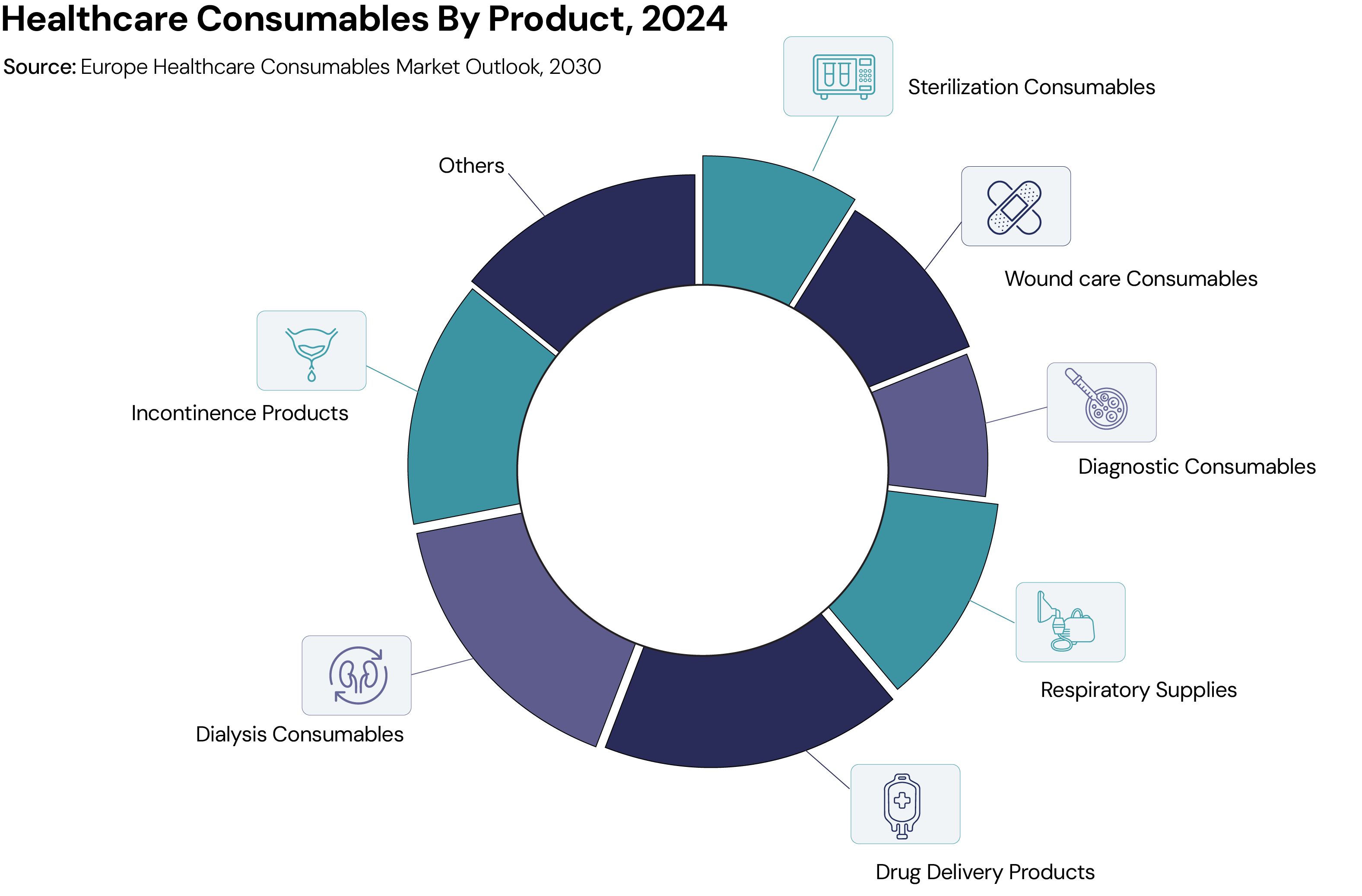
An estimated £1.75 billion is spent by the UK NHS on single use consumables. The Europe Healthcare Consumables market is expected to reach a market size of more than $ 71.71 Billion by 2030 according to the research report Europe Healthcare Consumables Market Outlook, 2030. Continued expansion and growth are anticipated in this sector to at least 2032 according to various market analyses. Specific figures concerning employment rates in this sub-sector are unavailable.
Like the sectors covered in earlier bog posts, Medical Supply companies and their workers are encountering many changes. This includes merger, acquisitions, and consolidation driven by regulatory barriers. As such sought after competencies include leadership skills, quality control, regulation and compliance - all crucial for clinical safety, excellence, companies’ reputations and business sustainability.
Additionally, considering near universal concerns about healthcare’s environmental footprint, partly associated with high waste levels linked to medical supplies, ESG expertise concerning environmental and governmental challenges are needed to respond to changes to European and national legislation mainstreaming the green transition. Skills in this area will include specialist procurement knowledge, sustainability and green production competencies.
Finally, technological advancements such as 3D-printed prosthetics, AI-powered diagnostic tools, direct-to-consumer diagnostic kits(e.g., Home Cervical Cancer checks) are expected to create new markets and increase consumer demand. But innovation in this sector is not limited to AI and digital advancements. Pressure to address environmental concerns requires workers with specific skills to research and develop, and in some cases redesign products and production processes better aligned with lifecycle thinking and green procurement criteria.
With care shifting from hospital to community settings and the strategic importance of local production, the EU needs medical supply manufacturers with a workforce capable of addressing evolving regulatory requirements and demands. At the same time, rising environmental awareness and changing disease burdens are driving innovation in consumable devices, material design, packaging and sterilisation techniques, increasing the needs for a skilled, agile workforce in areas such as quality management, regulatory affairs, AI and digital innovation.
The emergence of sustainability strategies in healthcare supply chains necessitates that healthcare companies have procurement and supply chain professionals with the necessary skills to meet legislative requirements to decrease the carbon footprint in the healthcare supply chain.
In this context, the BRIGHTskills project supports the identification and development of the skills needed to help Europe's medical supply industry adapt to regulatory change, sustainability goals and evolving workforce needs.
References:
What Are Medical Supplies, and Why Are They Important? - Home Medical Inc.
https://www.who.int/health-topics/universal-health-coverage
What Are Medical Supplies? Definition and Categories - Biology Insights
List of Europe Medical Consumable Supplies Manufacturers
Protective Medical Products | Medline UK
Healthcare Consumables Market Size & Trend, 2025-2032
A&M_466414_CF_EU_May Insights Paper - Medical Consumables - Final.pdf
the-european-medical-technology-industry-in-figures_2023.pdf
medtech-europe--facts-figures-2024.pdf